Welcome to the world of Smart Logistics
Smart Logistics is at the heart of digital transformation, optimizing transportation, logistics, and warehouse management through IoT. This evolution enables a more agile and responsive supply chain to meet the challenges faced by industry stakeholders.
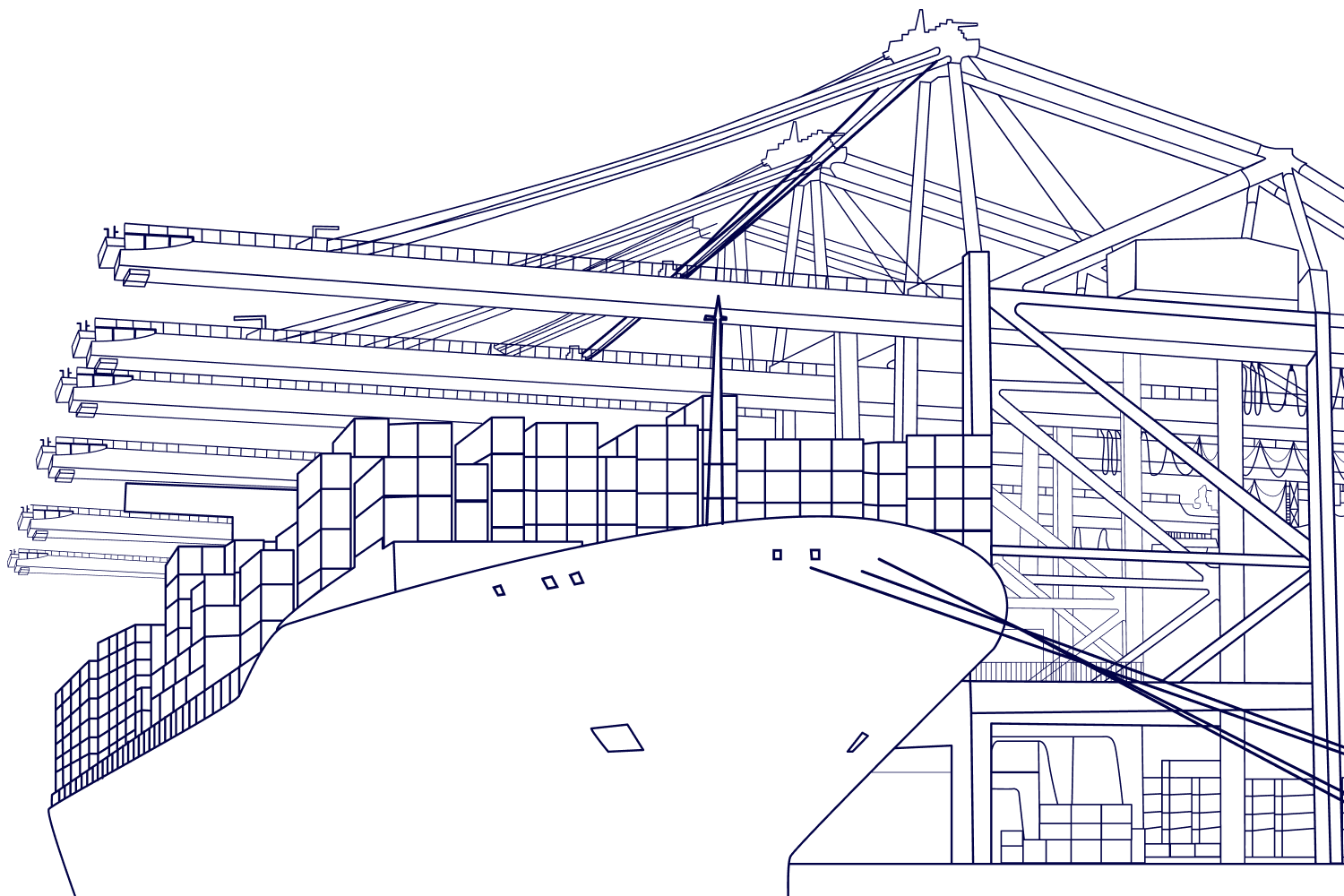
Asset geolocation
Geolocation and traceability of mobile assets: containers, packaging, equipment...

Shock monitoring
Shock detection to measure the quality of goods transportation

Humidity monitoring
Monitoring of storage and operational conditions

Pick to light Put to light
Order preparation and item search assistance
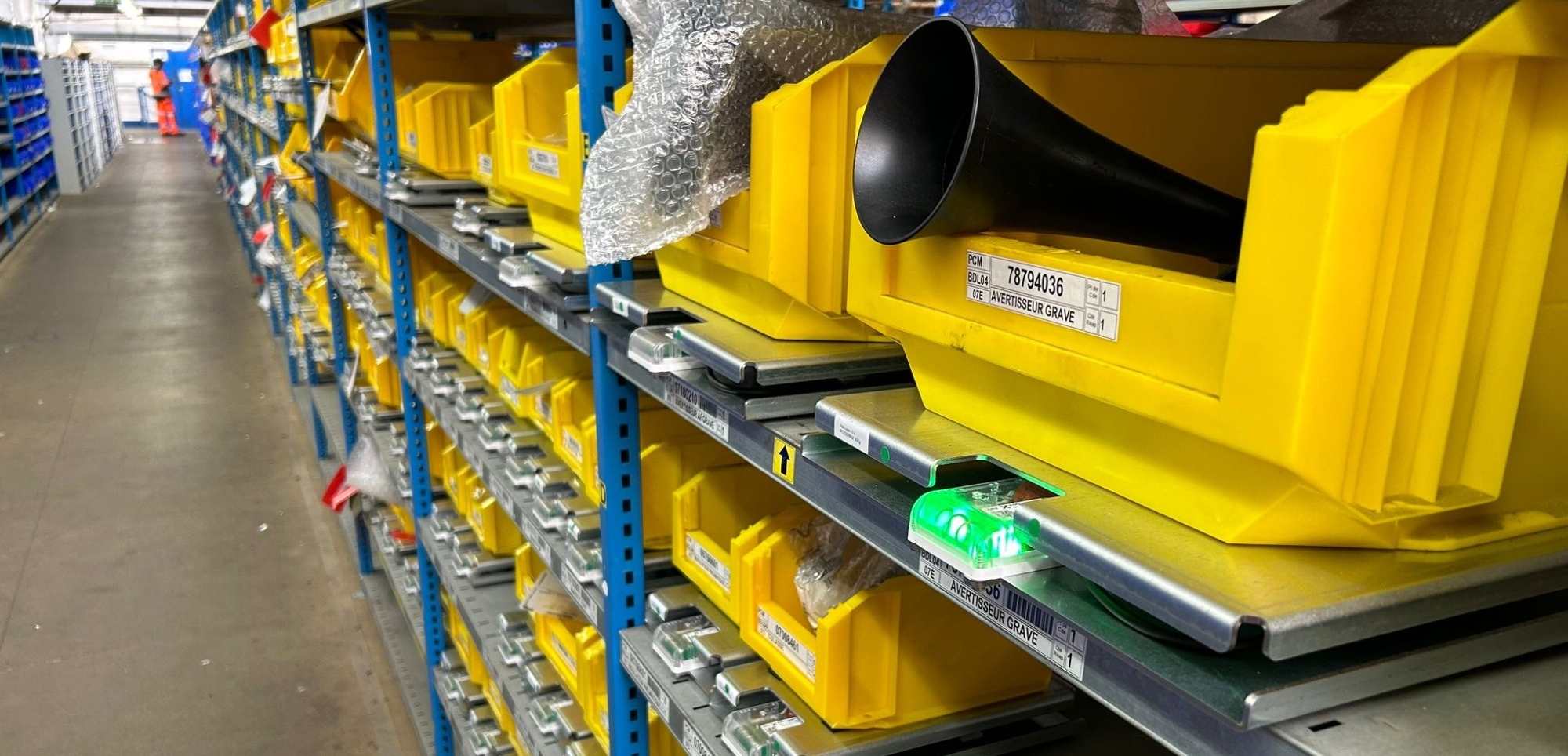
Reusable seal
Reusable connected seal for all types of containers: crates, containers, trailers...

Latest deployed projects
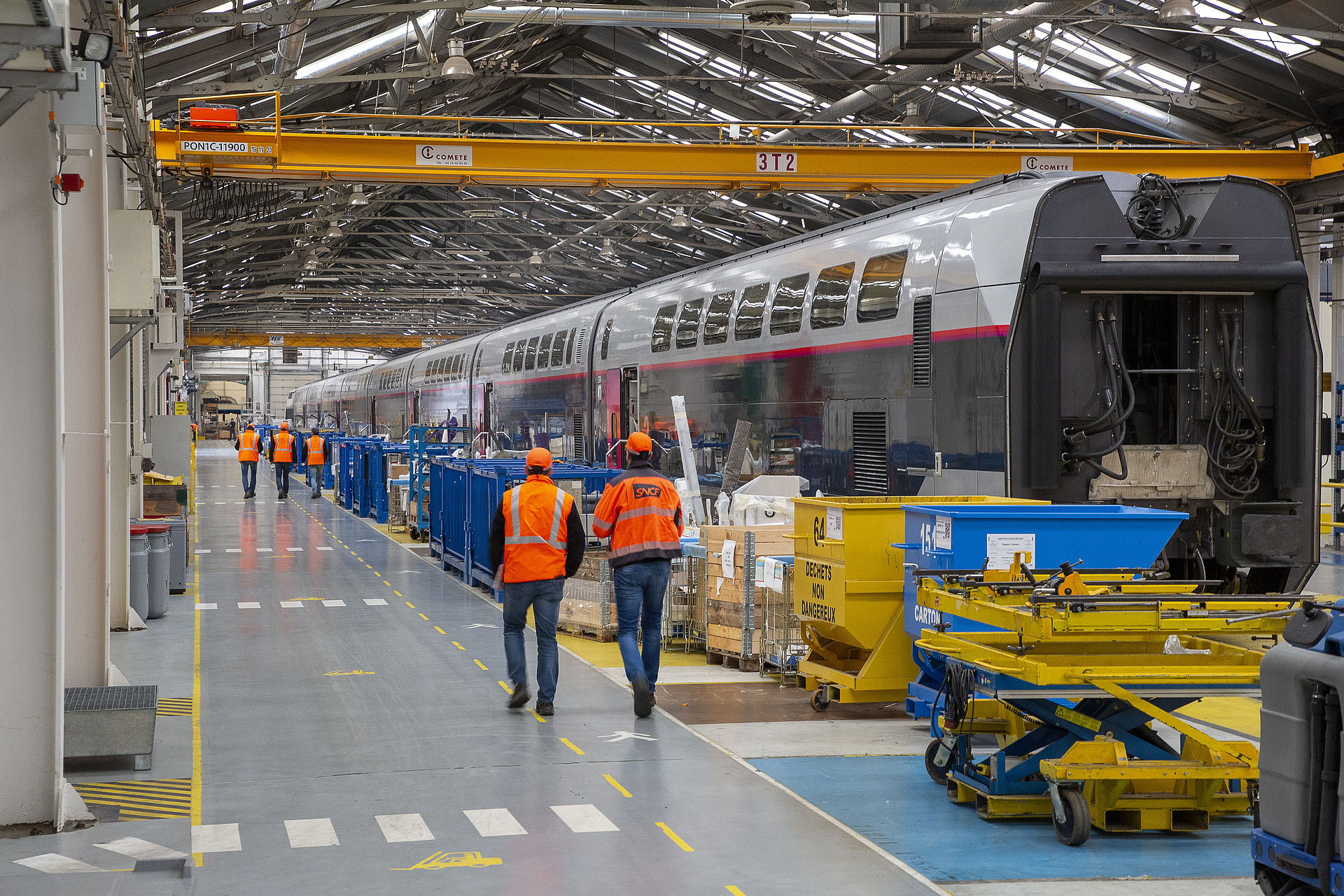

SNCF TGV - Automated inventory using IoT scales
At the heart of SNCF technicentres, spare parts management becomes smart thanks to connected scales. By eliminating discrepancies between physical and theoretical stock, maintenance operations become more responsive, shortages are anticipated, and trainset availability is secured.


Our latest articles
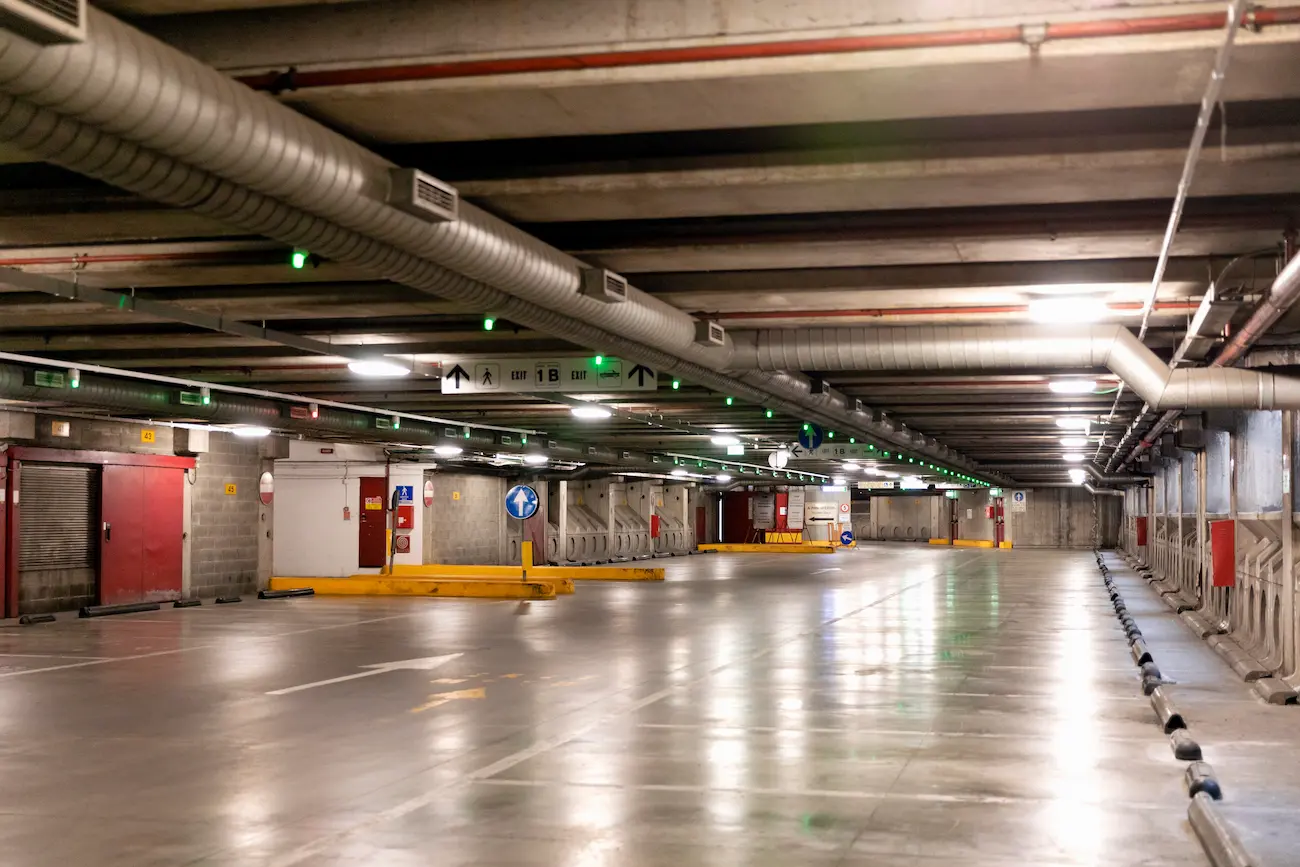
Radio deployment in underground car parks : LoRaWAN & IoT
Deploying a radio network in an underground car park raises a real technical question: coverage. We explain why LoRaWAN suits this environment, how it passes through concrete and how to size the gateways to cover a multi-level structure.

Smart Parking : reducing the time to find a space
Smart parking turns a working car park into a fluid, data-driven service. We explain what it is made of, the concrete benefits for operators and users alike, and how space-by-space guidance forms its first building block.

Parking space sensor : how occupancy detection works
The parking space sensor is the building block of a connected car park. We explain how it detects occupancy, which technologies it relies on (infrared, time-of-flight, magnetic) and which criteria matter when equipping your structure.


