
Airport Baggage Trolleys : real-time IoT management with ONET
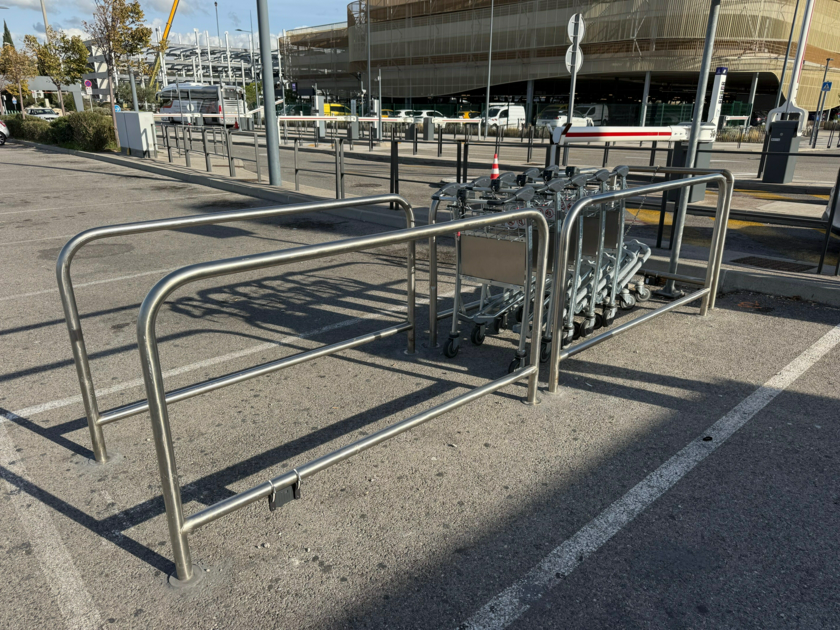
In an airport environment, baggage trolley availability plays a critical role in passenger experience and operational efficiency. An empty station immediately creates frustration. An overloaded station ties up resources and disrupts workflows.
Optimizing trolley management is not just a logistics issue — it requires real-time equipment supervision and data-driven coordination.
Discover how ONET and Ineo Sense deployed an IoT solution to monitor trolley stations and sustainably improve availability across airport infrastructure.
Monitoring trolley availability and optimizing stations with IoT
In airports, baggage trolley availability directly impacts traveler satisfaction. A depleted station creates immediate dissatisfaction, while an overstocked station results in inefficient resource allocation.
Managing baggage trolleys therefore goes beyond simple deployment — it demands continuous supervision, field responsiveness, and effective team coordination.
For ONET, responsible for managing trolley stations at an airport site, the challenge was clear: transition from manual monitoring to real-time IoT-driven management in order to optimize trolley availability and streamline operations.
Context : complex and low-visibility operations
Before deployment, several operational challenges limited overall performance:
- Limited visibility into station status (empty or overstocked stations)
- Manual processes for tracking and updating information
- No centralized tool to trigger real-time alerts
- Difficulty prioritizing field operator interventions
These constraints directly affected:
- Passenger satisfaction
- Team productivity
- Overall infrastructure efficiency
Airport trolley management relies on a simple yet critical data point: knowing, at all times, the exact fill level of each station.
The solution : a fully integrated IoT architecture (Hardware, Platform, Mobile Application)
Ineo Sense designed a tailored solution combining intelligent sensors, a centralized web platform, and a dedicated mobile application for operators.
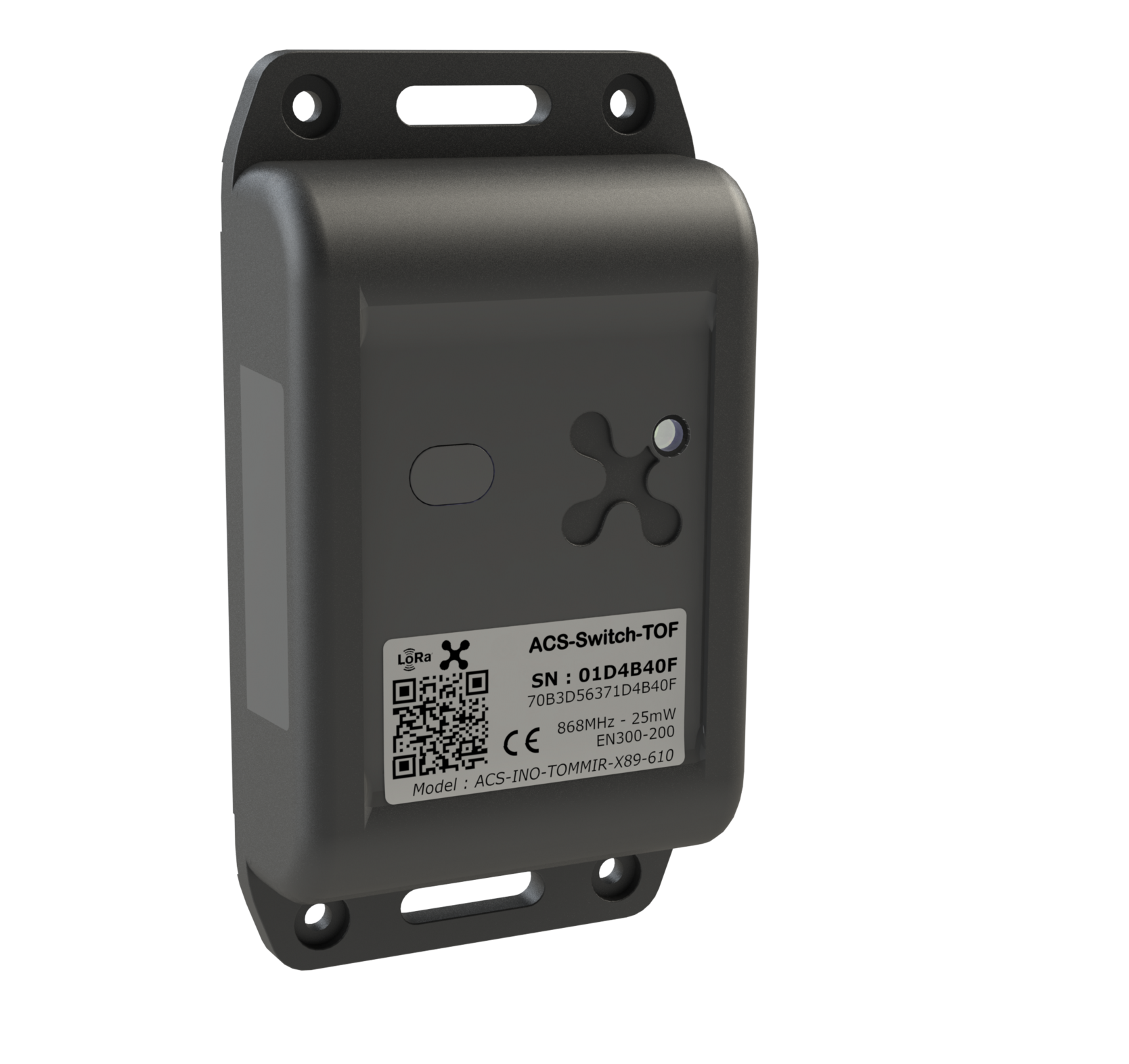
1. Wireless IoT sensors (ACS-Switch-TOF)
Sensors were installed on trolley stations to:
- Detect trolley presence in real time
- Measure fill levels
- Transmit data via a LoRaWAN network
- Ensure continuous supervision without manual intervention
Automated detection provides objective, real-time station status visibility.
2. Web platform for administrators
A centralized dashboard enables administrators to:
- Configure alert thresholds (empty or full stations)
- Label priority zones
- Monitor stations requiring intervention in real time
- Diagnose sensor and gateway status
- Track key performance indicators
Management shifts from field estimation to data-driven supervision.
3. Mobile application for field operators
Operational teams use a dedicated mobile application offering:
- A dynamic, prioritized view of stations requiring action
- Real-time updates of completed interventions
- Automatic validation of executed tasks
Each replenishment or redistribution action is instantly recorded, ensuring continuous status updates across the system.
Results : measurable and optimized operations
The IoT deployment delivered significant operational gains for ONET:
- 40% reduction in understocked or overstocked situations
- 30% decrease in intervention response time
- Improved prioritization of field actions
- Automated status updates
- Simplified administrative management
Beyond the measurable KPIs, real-time visibility fundamentally transformed operational organization and responsiveness.
From reactive management to intelligent supervision
Traditionally, baggage trolley management relied on:
- Scheduled inspection rounds
- Informal feedback loops
- Manual adjustments
With IoT sensors and a centralized supervision platform, ONET adopted a proactive approach:
- Automated imbalance detection
- Algorithm-driven intervention prioritization
- Elimination of manual data entry tasks
- Use of historical data to optimize resource allocation
This evolution aligns with broader smart airport initiatives, where infrastructure is monitored and managed in real time.
A scalable architecture for public infrastructure
Although deployed in an airport context, this IoT architecture is adaptable to other environments such as:
- Railway stations
- Shopping centers
- Hospitals
- Large public facilities
Wherever mobile asset management and equipment availability directly influence user experience, real-time supervision delivers measurable value.
Sector expertise and tailored support
The project conducted with ONET illustrates Ineo Sense’s ability to:
- Analyze complex operational challenges
- Design integrated hardware and software solutions
- Develop tools aligned with precise technical specifications
- Support teams through full adoption and operational integration
The objective is not simply to connect equipment, but to transform operational management through a coherent, scalable IoT architecture.
Our last projects

SNCF TGV - Automated inventory using IoT scales
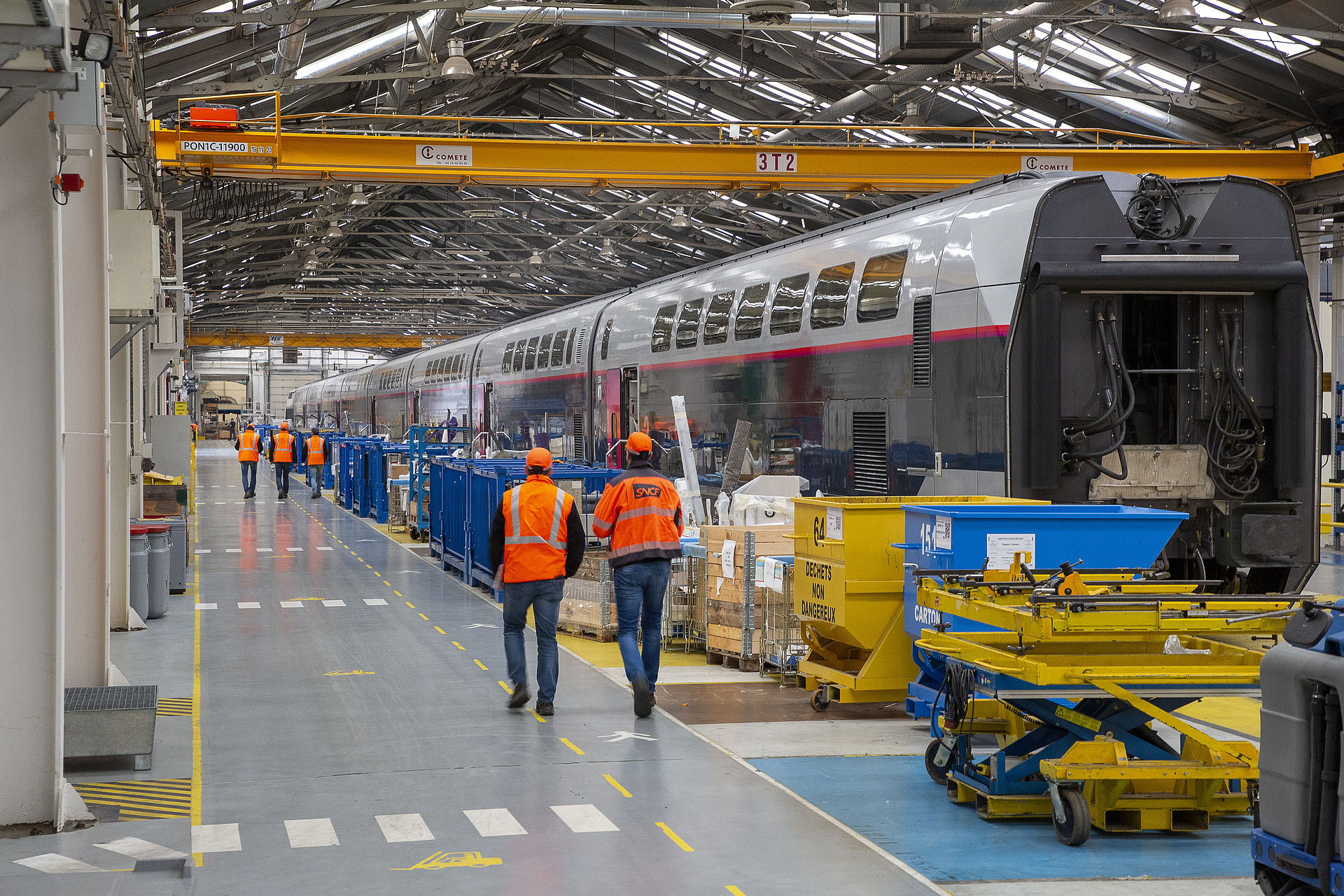
At the heart of SNCF technicentres, spare parts management becomes smart thanks to connected scales. By eliminating discrepancies between physical and theoretical stock, maintenance operations become more responsive, shortages are anticipated, and trainset availability is secured.
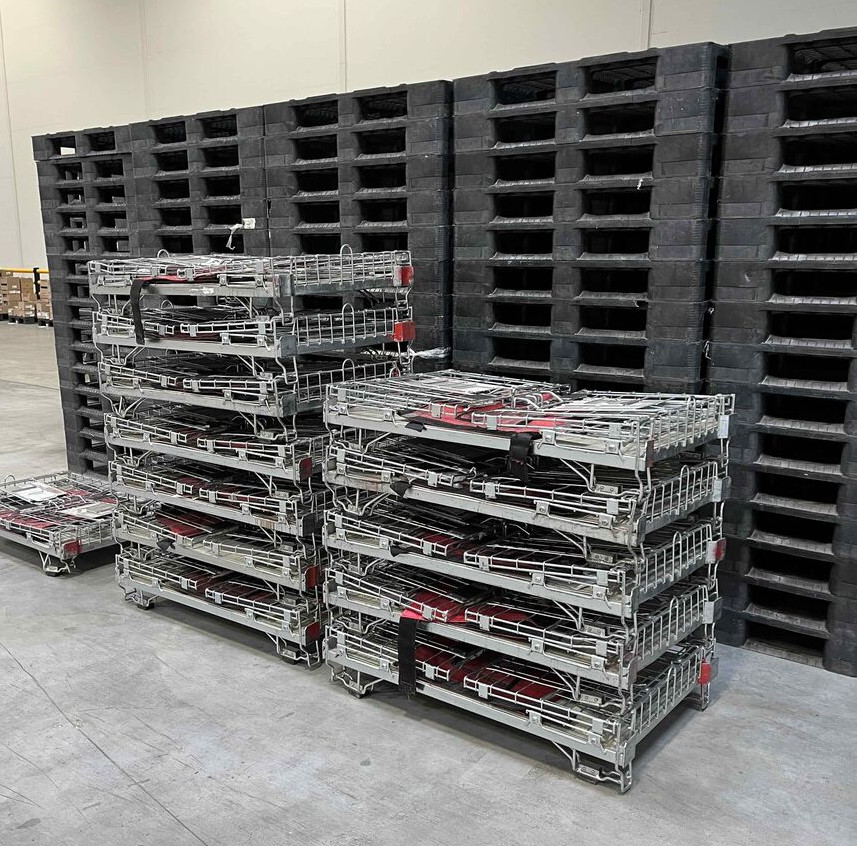

IBM Smart Green Pallet
Each year, throughout the logistics cycle, 5% of the food produced worldwide is lost before it even reaches store shelves. In response to this challenge, IBM has developed the Smart Green Pallet—an intelligent, connected pallet powered by Ineo-Sense IoT technology that enhances traceability, sustainability, and cold-chain management.


